
From the frantic call to the all-clear visit
A squirrel in the loft, a bird in the vent, a wasp nest by the door — Field 2 Service logs the urgent call as a ticket (Essentials and up), drops it on today's board (Professional and up), and keeps every property's history so the follow-up visit knows exactly what it's dealing with.
✓ No card required · ✓ Invoiced by bank transfer
Sound like your week?
Wildlife work is urgent call-outs, protected-species rules and follow-up visits — three things a paper diary drops.
The panic call at 8am
A bird in the chimney or a squirrel in the loft won't wait for a gap in the diary. It needs to land on today's board the second the phone goes down.
No record of last time
Turn up to a repeat problem with no idea what you found, where they got in or what you sealed, and you're starting the survey from scratch on the doorstep.
Follow-ups that never happen
Humane removal means going back to check the traps and confirm the all-clear. Miss the rebook and the animal's back — and so is the complaint.
Turn the panic call into a job on today's board
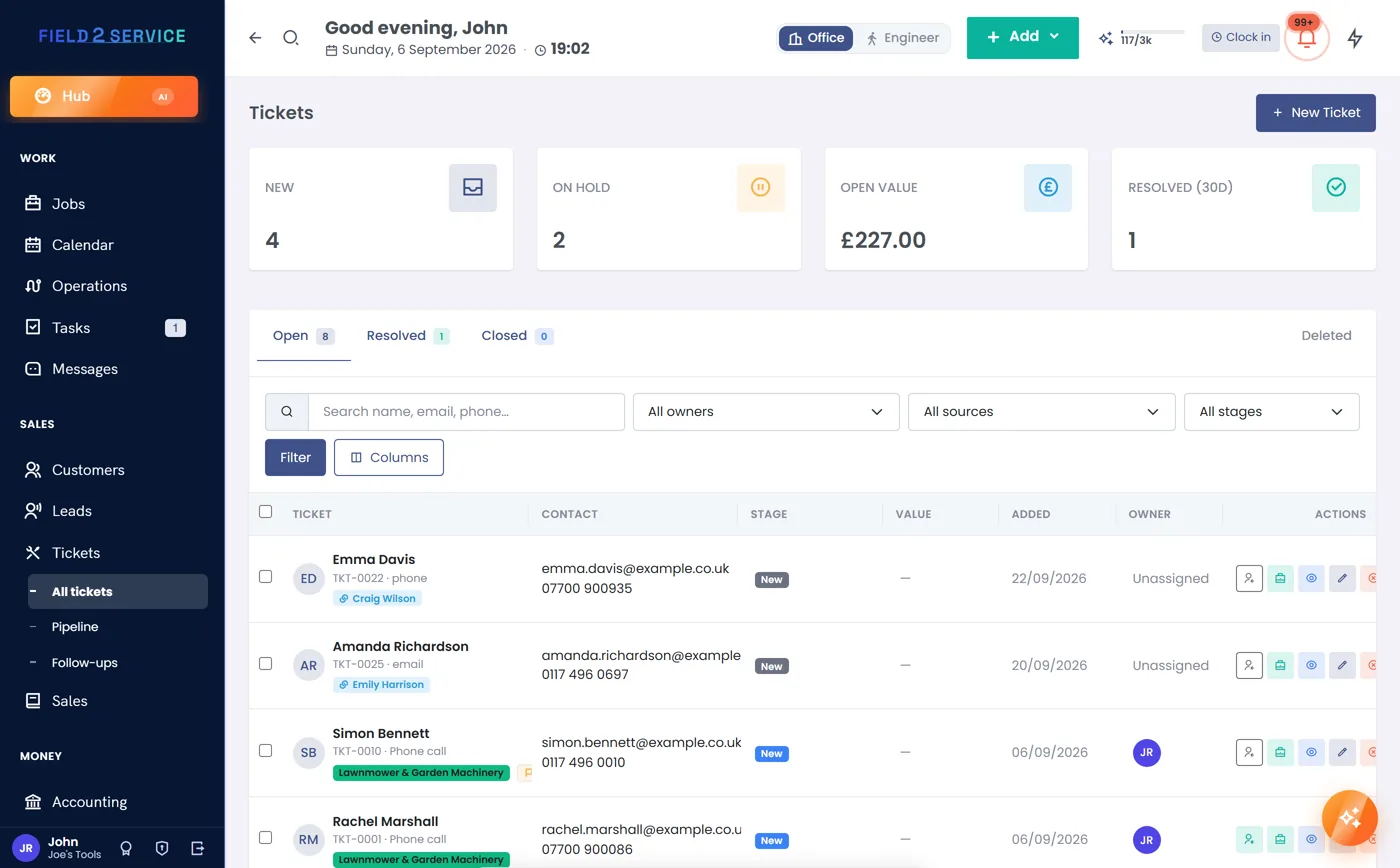
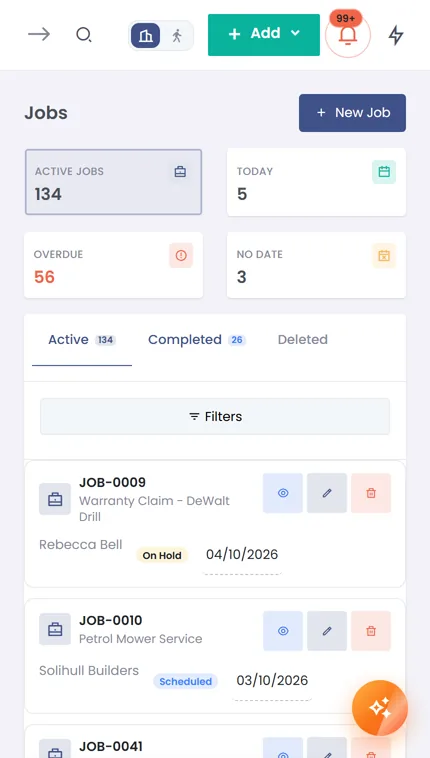
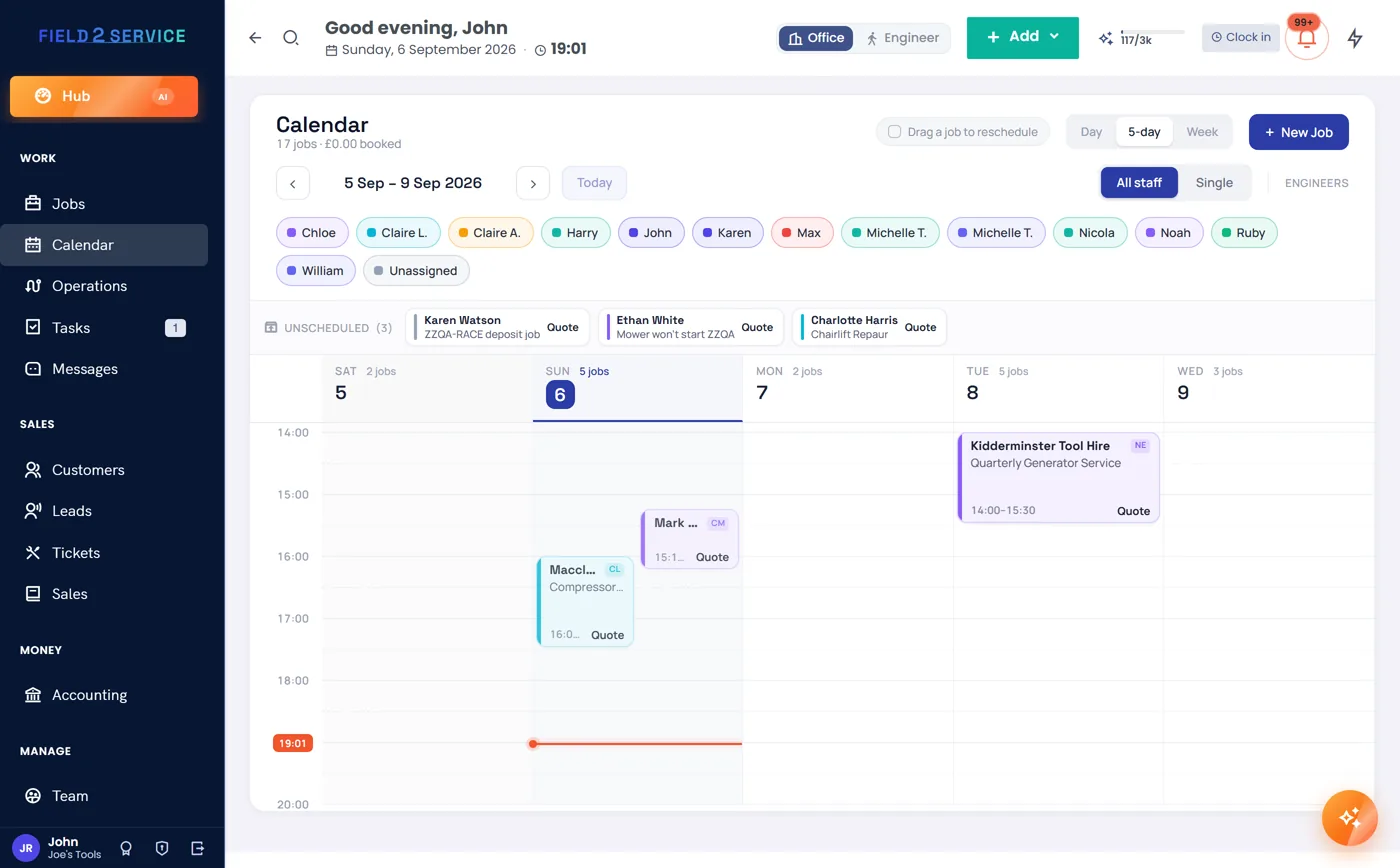
Every squirrel-in-the-loft and bird-in-the-vent call comes in as a ticket (Essentials and up), flagged urgent so it jumps the queue. Convert it to a job in a tap and drag it onto today's dispatch board (Professional and up), which checks for double-bookings before it lands.
- Urgent tickets with red-priority alerts
- One tap turns a ticket into a job or quote
- Drag onto the board with double-booking checks
A checklist that keeps every removal by the book
Build the humane-removal steps into a job checklist (Essentials and up) — survey the entry points, set the one-way doors, log the species, note anything protected. The tech works the same list on every job, and an 'on my way' text (Essentials and up, via your own Twilio account) goes out before they arrive.
- Job checklists for survey, exclusion and release
- Log the species and flag protected wildlife
- 'On my way' texts before the tech arrives
Every property's history, ready before you knock
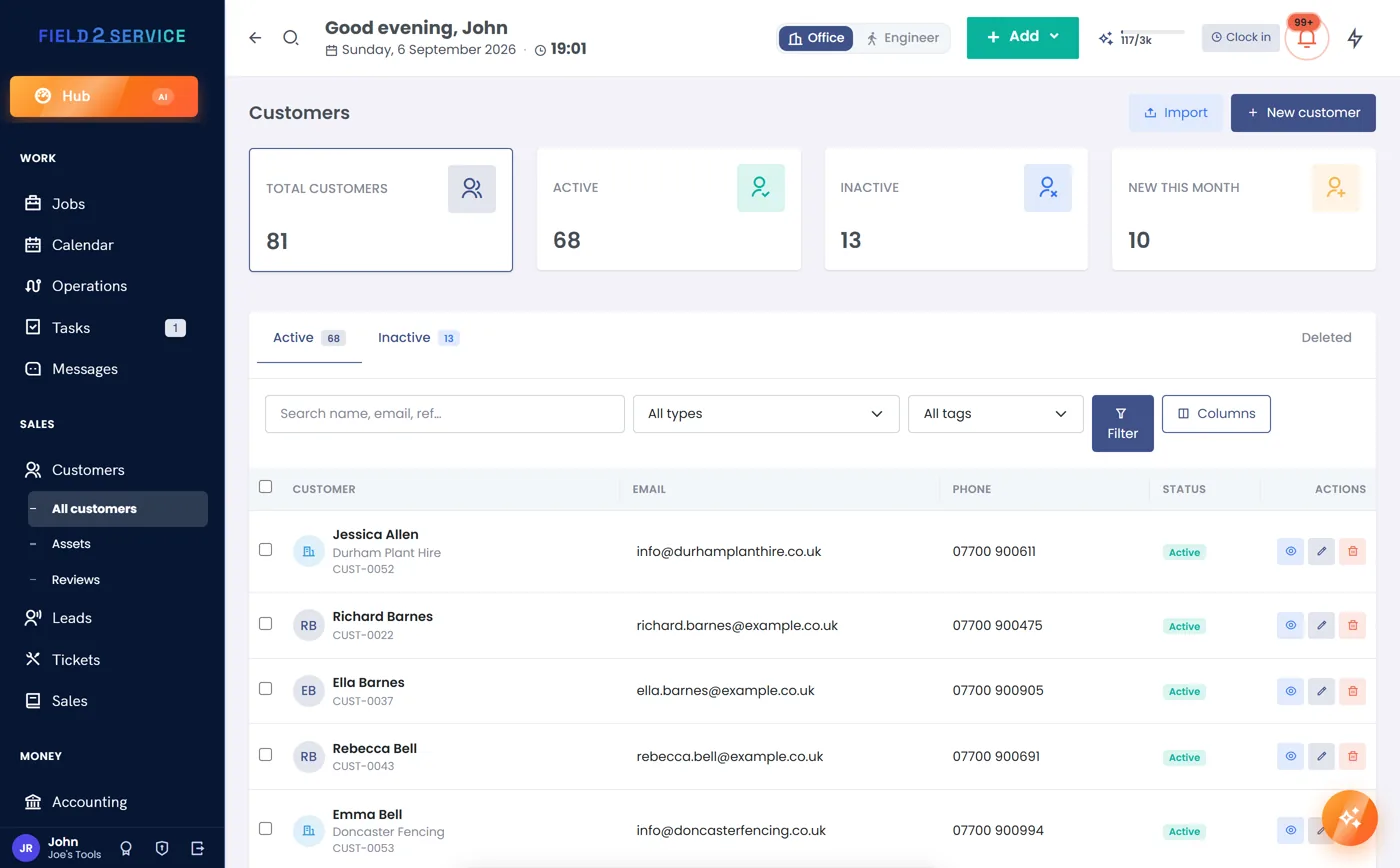
Each address keeps its own record — what you found, where they got in, what you sealed and every visit's notes. Multi-site customers like agents and estates hold every property in one account, each with its own access notes, so the tech knows the loft hatch is on the landing before they arrive.
- A visit history that builds up per property
- Multi-site accounts with per-property access notes
- Species and entry points logged on the address
Book the check-back before you leave site
Humane work means returning to check the traps and confirm the all-clear, so set the follow-up as a recurring visit (Essentials and up) and it rebooks itself. The daily briefing lists every check-back due this week, and service contracts keep ongoing monitoring on schedule.
- Recurring visits for trap checks and the all-clear
- Service contracts for ongoing monitoring (Essentials and up)
- Daily briefing lists every follow-up due
Sign off the job, send the invoice from site
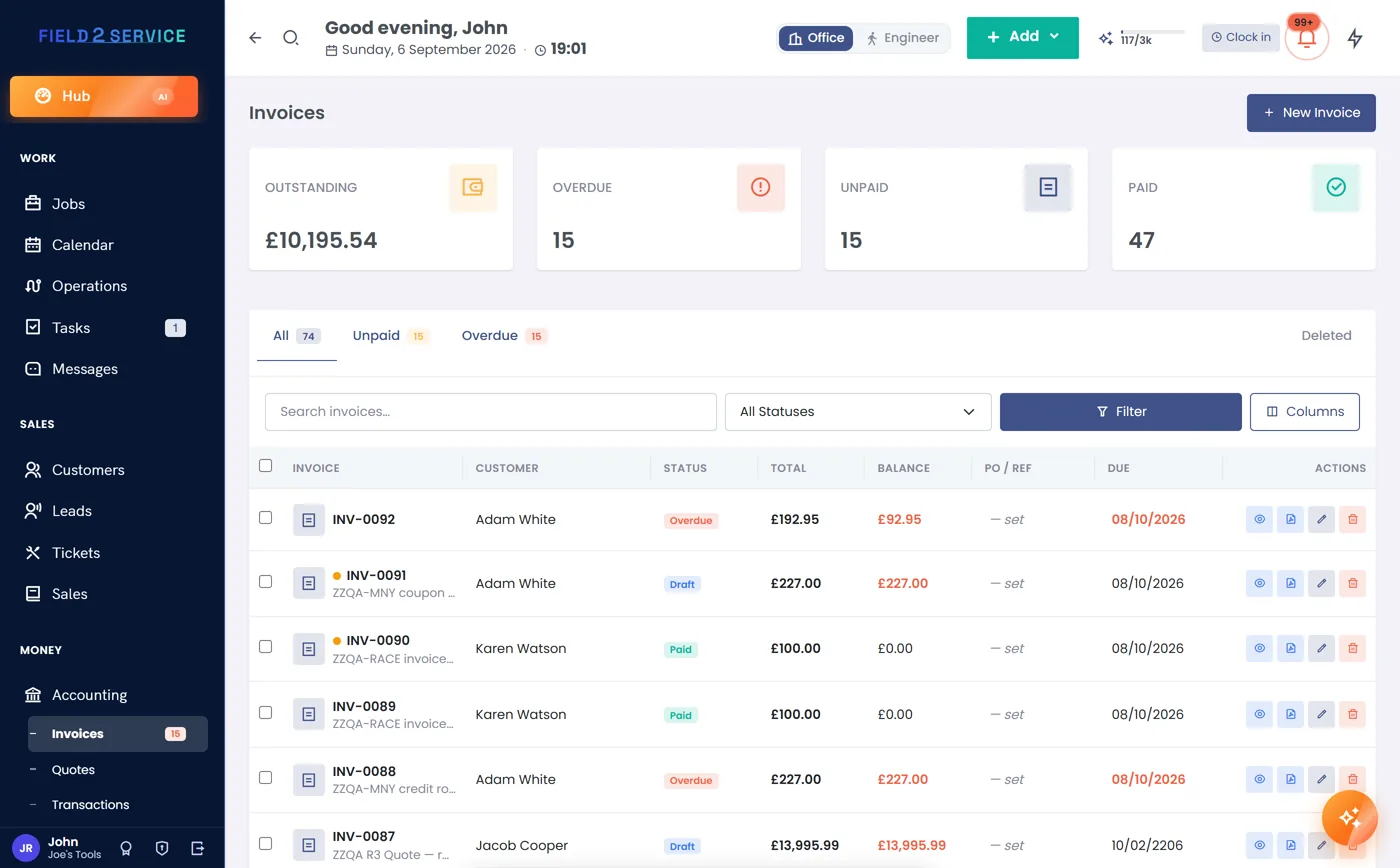
Capture a signed completion sheet on site as proof the work's done and the property's secured, then tap complete and a VAT-smart invoice with a card link (Essentials and up; connect your own Stripe or PayPal) goes out — or one clean 'Price' if you're not VAT-registered. Overdue reminders chase the slow payers and the aged-debtors view shows who's behind.
- Signed completion sheets captured on site
- Card payment links on every invoice
- Overdue reminders and an aged-debtors view
Built-ins wildlife pros lean on
Handle the call-out and the check-back
Try Field 2 Service free for 14 days — log a call-out, work a removal checklist (Essentials and up), send a card-link invoice (Essentials and up; connect your own Stripe or PayPal). No credit card required.
Get startedOr see the other trades we're built for.